


What We Do
A periodontist is a dentist who specializes in the diagnosis and treatment of problems that affect the gums and other supporting tissues of the teeth. If you want to keep your teeth for life - a completely reasonable goal in this day and age - you need to make sure the tissues that surround them are also healthy. Should gum problems arise, you may need periodontal therapy to restore diseased tissues to health.
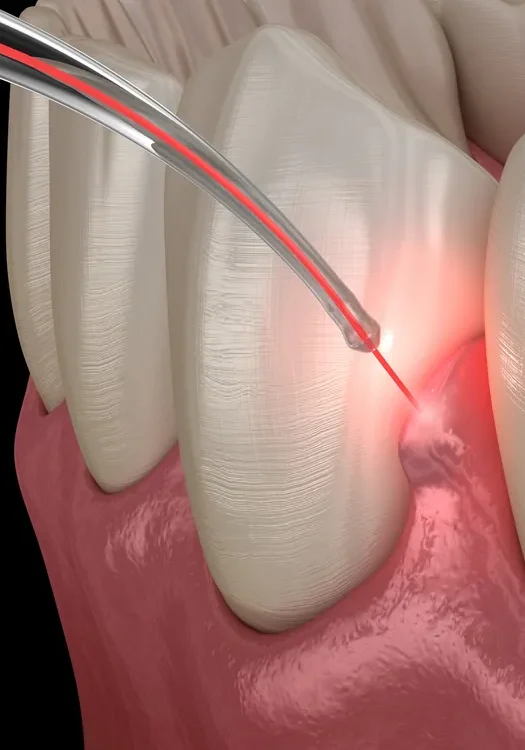
Laser treatment, digitally guided implant treatment, comprehensive periodontal care.
We are pleased to welcome you to our practice We want all of our patients to be fully informed decision-makers who understand the health issues they face, and that's why we've loaded this website with valuable Information about periodontics, gum problems, and treatments. We invite you to contact us whenever you have concerns about your gums and other tooth supporting structures.
Gum Disease and Other Systemic Diseases

Several studies have shown a link between periodontal disease and other systemic diseases. While a causal relationship has not been conclusively established, research suggest that periodontal disease may contribute to the progression of other diseases.
Diabetes
People with diabetes are more likely to have periodontal disease than people without diabetes, probably because people with diabetes are more susceptible to contracting infections. In fact, periodontal disease is often considered a complication of diabetes. Those who don't have their diabetes under control are especially at risk. Research has suggested that the relationship between diabetes and periodontal disease goes both ways: periodontal disease may also make it more difficult for people who have diabetes to control their blood sugar, increasing the risk for diabetic complications.
Heart Disease
Several studies have shown that periodontal disease may increase the risk of heart disease. Scientists believe that inflammation caused by periodontal disease may be responsible for the association. Periodontal disease can also exacerbate existing heart conditions. Patients at risk for infective endocarditis may require antibiotics prior to dental procedures. Your periodontist and cardiologist will be able to determine if your heart condition requires use of antibiotics prior to dental procedures.
Respiratory Disease
Research has found that bacteria associated with periodontal disease can be aspirated into the lungs and contribute to respiratory diseases such as pneumonia.
Cancer
Researchers found that men with gum disease were 49% more likely to develop kidney cancer, 54% more likely to develop pancreatic cancer, and 30% more likely to develop blood cancers.
Alzheimer's Disease
Studies have shown a connection between bacteria associated with periodontal disease and the progression of Alzheimer's disease. Gum disease bacteria may be able to travel to the brain and contribute to the development of Alzheimer's disease.